 Skip to content


-
100% Cotton Dust Mite Pillow Protector & Encasement | Standard/Queen | AU
Regular price $31.50Unit price per -
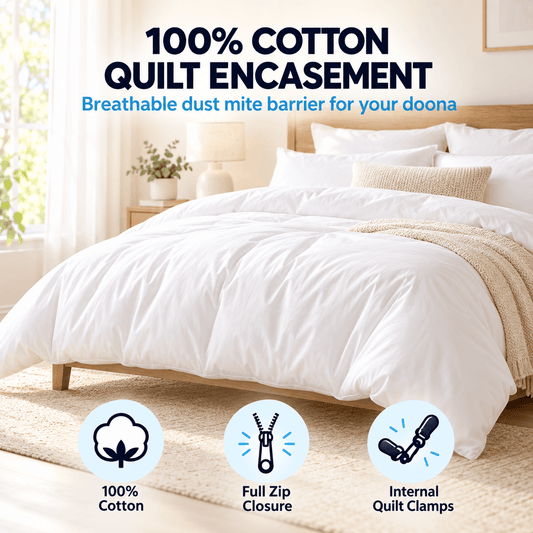
100% Cotton Dust Mite Quilt Protector & Doona Encasement
Regular price From $105.00Unit price per -
Dust Mite Mattress Protector & Encasement | 100% Cotton | AU
Regular price From $95.00Unit price per -
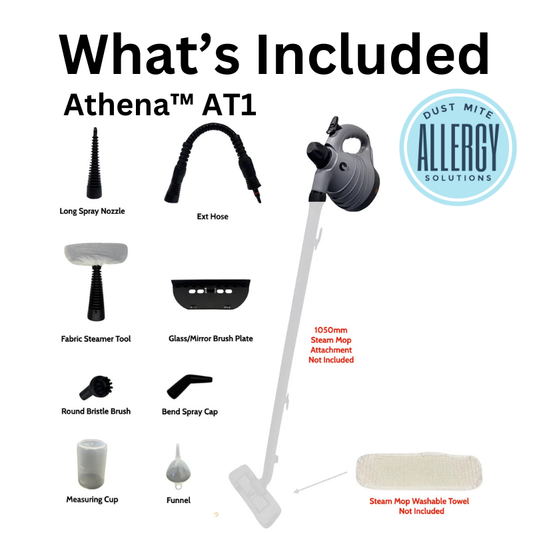
Dust Mite & Bed Bug Steam Cleaner — 132°C | Athena AT1 | AU
Regular price From $35.00Unit price per -
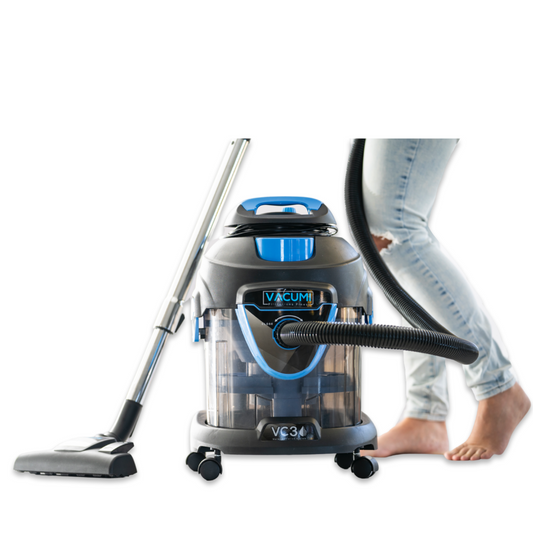
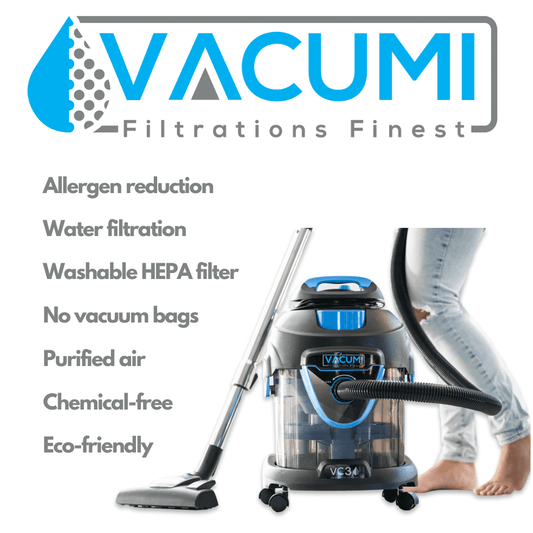
Dust Mite Water Filter Vacuum — VACUMI VC3 | Traps Allergens in Water | AU
Regular price $429.00Unit price per -
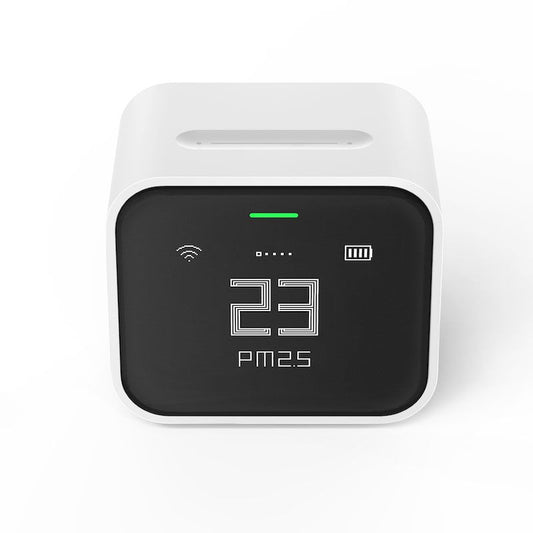
Air Quality Monitor | Qingping Lite Air | App connection
Regular price $269.00Unit price per -
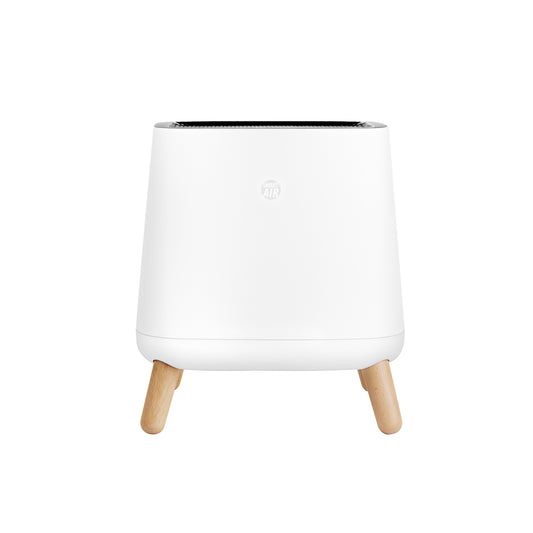
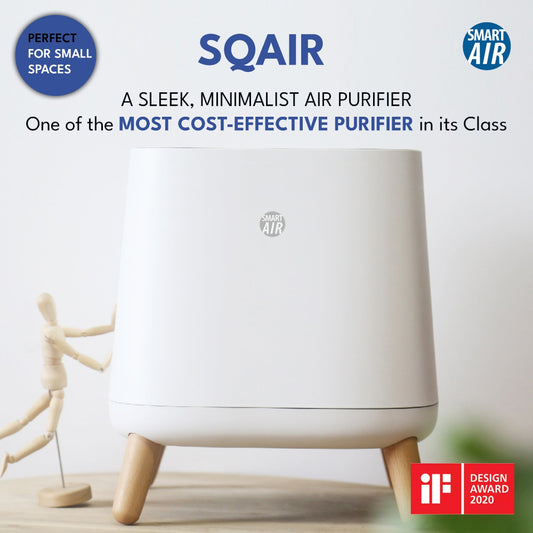
Smart Air Sqair H12 HEPA Air Purifier | Australia
Regular price $349.00Unit price per -
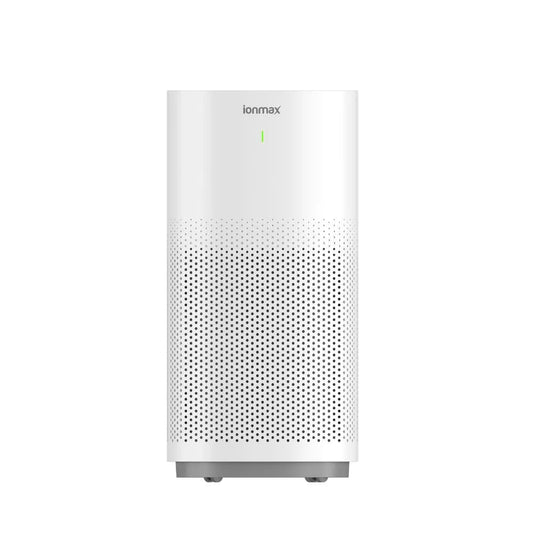
Ionmax Lavish Plus ION530 Smart Antibacterial HEPA Air Purifier
Regular price $498.00Unit price per -
Clean Air Bundle | Bedrooms & Living Rooms
Regular price $649.00Unit price per -
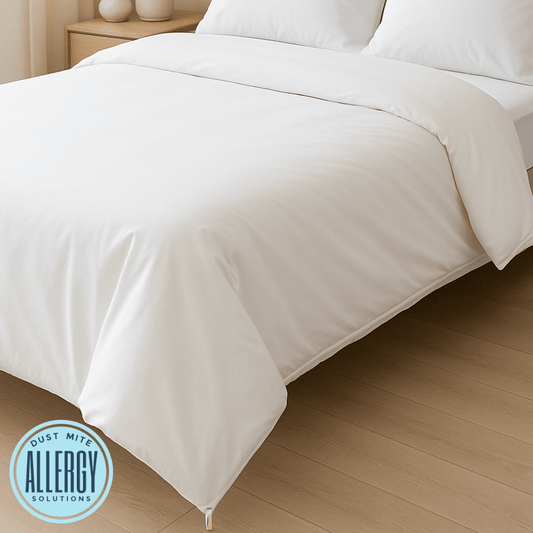
Dust Mite Covers for Bed Complete Set | 100% Cotton | QUEEN SIZE | 25cm Mattress
Regular priceUnit price per$375.00Sale price $337.05Sale









For general information only. Not medical advice. Consult a healthcare professional. Results may vary.

-
Research-informed products
-
Australian owned
-
Guides informed by peer-reviewed research
Let customers speak for us
Love that these aren't plasticy and just cotton. Have gotten the entire set. Excellent products

Fast and friendly service. The encasements seem to be working well. Glad I bought them

Great quality products, quick, easy delivery
Fits a standard Koala foam pillow extremely well. Made of a very nice tight weave cotton - no polyester which I detest in bedding. Really happy with my purchase

The cotton covers seem well made and fit as described, shipping is fast

I would suggest this mattress and cover as a perfect solution to dust mite, also with regards to comfort it’s just what you need

I have not been able to sleep under a feather doona until now. The cover is wonderful & delivery was prompt.
Bought to remove neighbours' wood heater smoke from bedroom, works well, haven't checked out cost of replacement filters. Quick delivery, no issues.

Great quality, quick delivery and comfortable
Quick delivery, easy to setup and works great

This mattress encasement is a great solution and alternative to purchasing a new mattress for a child with dust mite allergy. The protected went on easily and provides leave of mind that whatever mites are living inside the mattress are trapped in there. Have purchased all of the products to protect our kids bed and are happy with them. Have been using for over one month now.

The quilt cover encasement feels like it's great quality. Have been using for about one month now and it's providing peace of mind that whatever is inside there can't get out. Washing the quilt weekly was not going to work as the quilt wouldn't have survived such regular washing, so this is an excellent solution.
Great quality cotton material, but it's a bit of a struggle to get onto the mattress.

Great quality cotton material, but it's a bit of a struggle to get onto the mattress.
The product is great quality and was an easy order with very good communication. I have only had one night sleeping with it but was very pleasantly surprised . I must add , I think the cost is great value when compared to getting even a new doona that is adequate for the colder states in Australia . I had my down doona and pillows washed and commercially dried before putting them in the covers and the mattress is all encased now and it is a really big difference . 👍
Dust Mite Allergen Reduction Guides — Informed by Peer-Reviewed Research
-

How to Create a Low-Allergen Bedroom
Read the guideThe bedroom is where dust mite exposure is highest - you spend 8 hours there with your face close to the mattress and pillow. Learn evidence-based ways to reduce dust mites in your bedroom.
-

Air Quality and Dust Mites: What Actually Helps
Read the guideMost dust mite allergens sit in mattresses and carpets, not in the air. This guide covers what air-quality interventions the evidence actually supports, and where they fit.
-

Deep Cleaning to Reduce Dust Mite Allergens
Read the guideNot all cleaning methods work equally. This guide walks through what works, what doesn't, and in what order to prioritise.


Dust Mite Bedding Protection — Mattress, Pillow & Quilt Covers
-

Dust Mite & Allergy Mattress Protectors
Dust Mite Mattress Protectors -Cotton or Waterproof Barriers Zippered dust mite mattress...
-

Dust Mite Pillow Protectors
Dust mite pillow protectors are fully zippered encasements that seal your pillow...
-

Dust Mite Quilt & Doona Protectors
Fully-zippered encasements that seal your quilt or doona on all six sides,...


Clean to Reduce Dust Mite Allergens — Vacuums, Steamers & Sprays
-
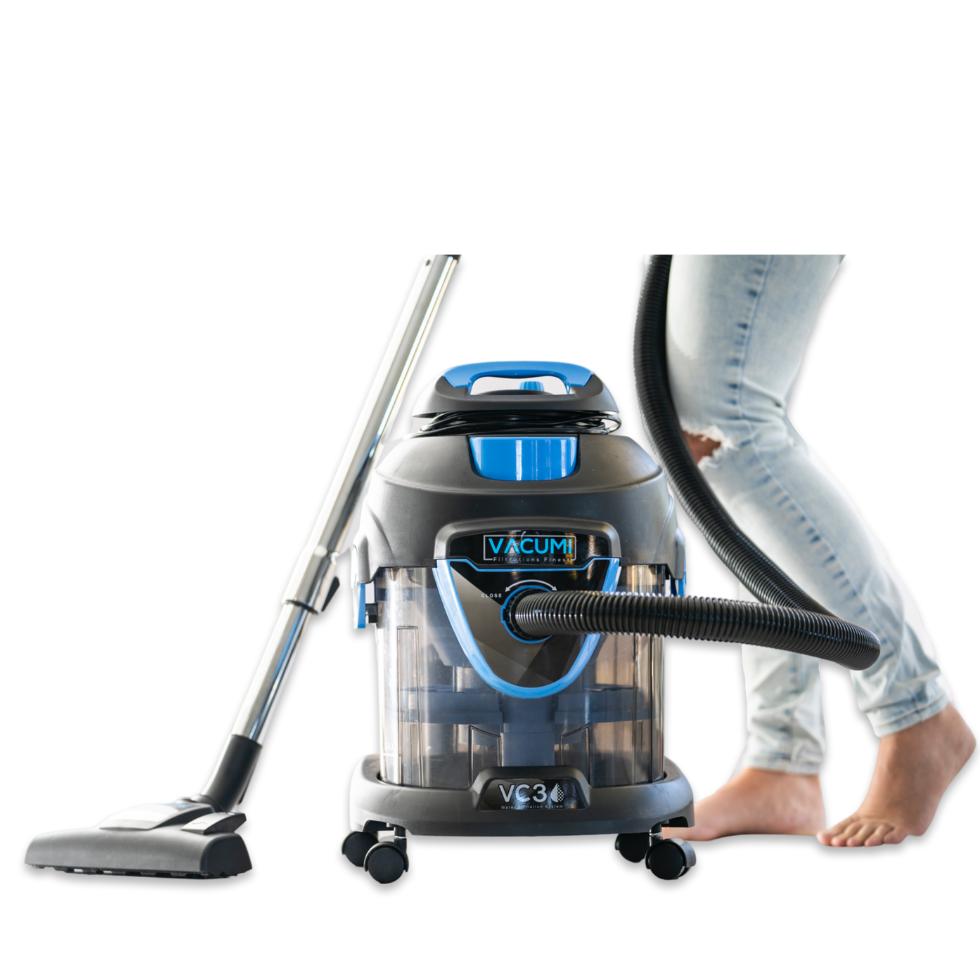
Dust Mite Vacuums
Vacuums chosen to capture dust mite allergen from mattresses, carpets and upholstery,...
-

Steam Cleaners
Steam Cleaners for Dust Mites Steam cleaners for dust mites use high-temperature...


Improve Air Quality for Dust Mite Allergy — Purifiers, Dehumidifiers & Monitors
-
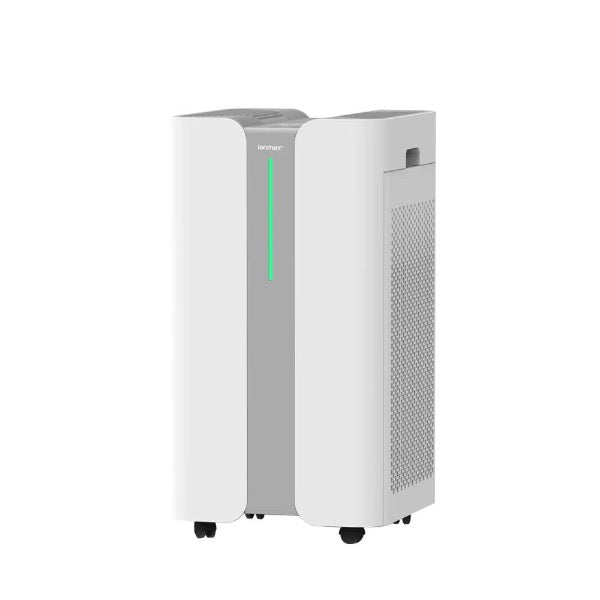
Air Purifiers
Air purifiers for dust mite allergy households in Australia. Our range covers...
-

Dehumidifiers
Indoor humidity drives dust mites, mould and condensation. Our range covers desiccant...
-
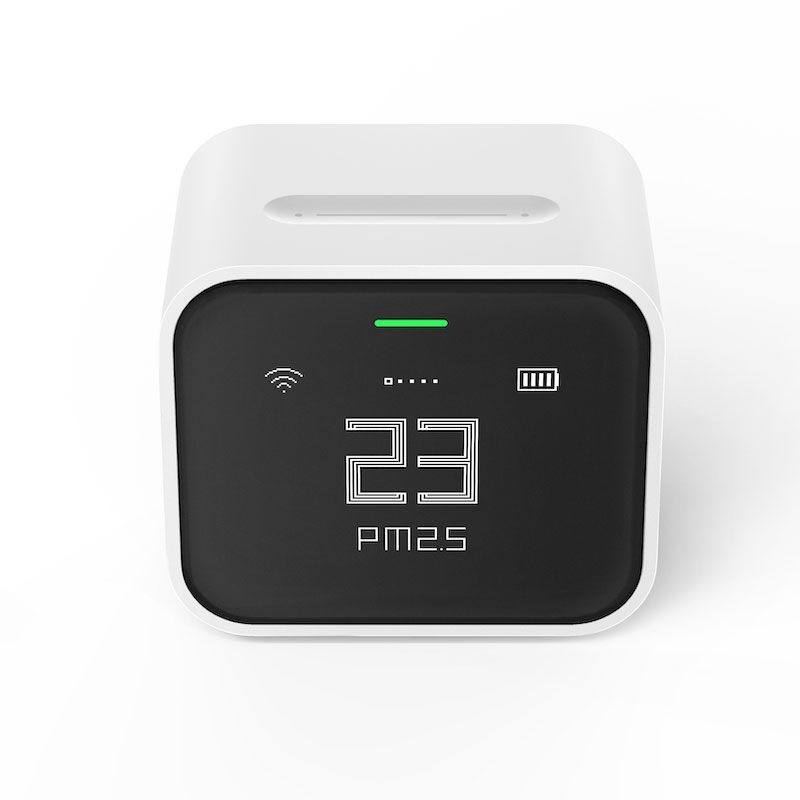
Air Quality Monitors
Air quality monitors can help track humidity, temperature, and particulate levels to...

Create a Low-Allergen Bedroom — Mattresses, Bedding & Pillows
-

Eczema Mitten Sleeves & Sleepwear for Sensitive Skin
Looking for sleepwear for eczema-prone skin? This collection brings together bamboo sleepwear...
-
Allergy friendly pillows
What makes a pillow “allergy friendly”? It’s not about being completely allergen-free...
-
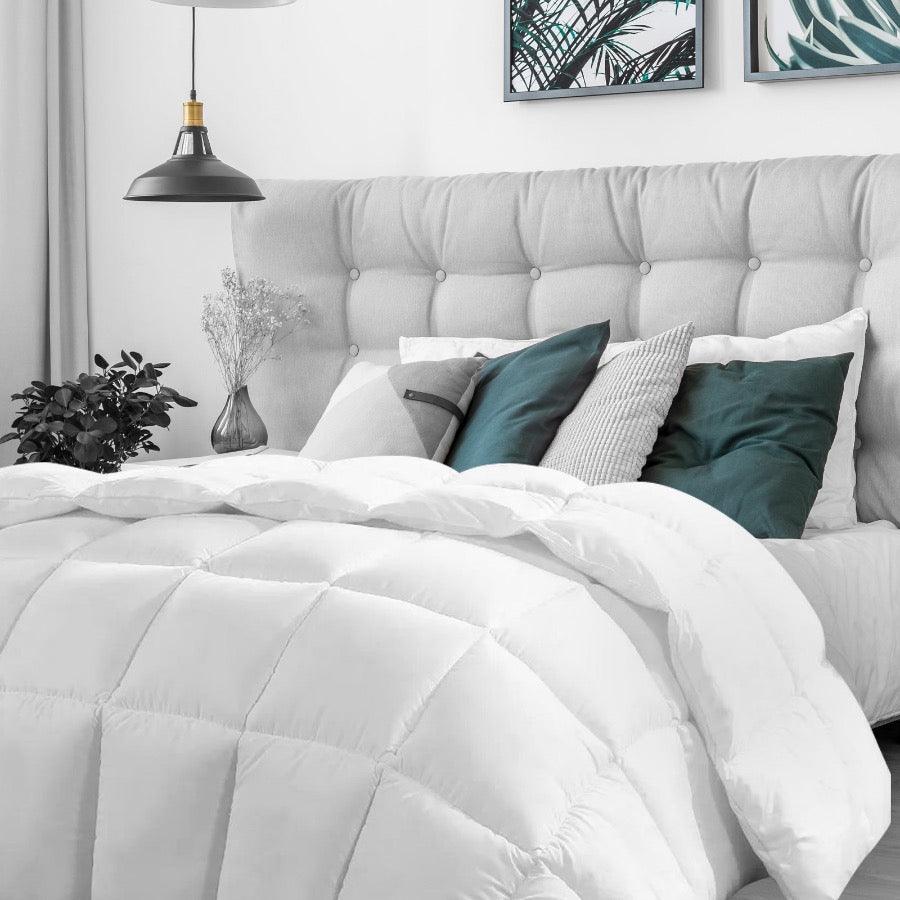
Allergy Friendly Quilts, Duvets & Doonas
Our quilts and doonas are chosen with allergy-aware homes in mind. Some...
-

Mattresses
Mattresses Browse our full mattress range — memory foam, cool gel, pocket...
-

Mattress Toppers
Looking to enhance your sleep while staying mindful of allergy sensitivities? Our mattress...


Frequently asked questions about dust mites
General information only. Not medical advice.
Consult a qualified healthcare professional for health concerns. Results may vary.
What are dust mites and how do they cause allergies?
What are dust mites and where do they live?
Dust mites are microscopic arachnids that feed on shed skin cells. They cannot be seen without a microscope and do not bite. They live in warm, humid environments ? particularly in mattresses, pillows, quilts, carpets, and upholstered furniture. A single mattress can harbour large numbers of mites. ASCIA notes they are one of the most significant indoor allergen sources in Australian homes, particularly in coastal regions where humidity is high.
What are the signs that you have dust mites in your home?
Dust mites are invisible to the naked eye, so their presence is typically inferred from patterns rather than direct observation. Indicators can include reactions that seem worse in the morning after time in bed, or when making or changing bedding. Dust mites are present in almost all Australian homes ? their presence should be assumed rather than confirmed. The more relevant question is how to reduce allergen levels to the lowest practical level.
Can you get rid of dust mites completely?
Complete elimination of dust mites from a home is not considered achievable ? they are present in virtually all Australian households. The evidence-supported goal is reducing allergen levels to the lowest practical level. The most effective measures are encasements on mattresses, pillows and quilts, washing bedding at 60 degrees Celsius or above weekly, maintaining indoor humidity below 50%, and HEPA vacuuming. Combining these measures consistently produces the most significant allergen reduction.
How to reduce dust mite allergens at home
What is the most effective way to reduce dust mites in a mattress?
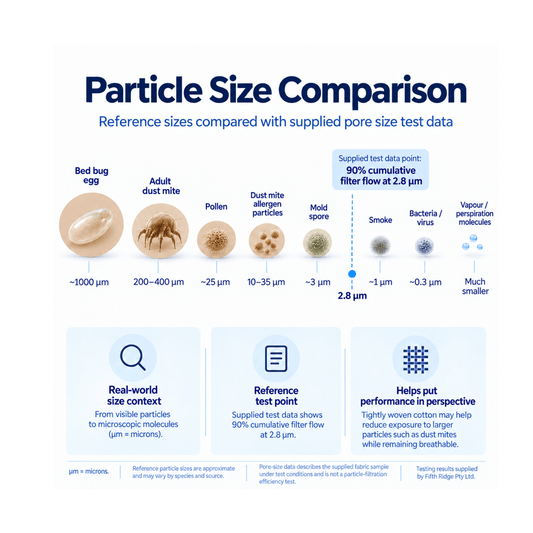
The most evidence-supported first step is encasing the mattress in a tightly-woven dust mite encasement with a pore size small enough to block dust mite allergen particles. This creates a physical barrier between you and the allergens present in the mattress. ASCIA recommends encasements as a primary allergen-reduction measure. Additional steps include vacuuming the mattress surface with a HEPA vacuum and maintaining bedroom humidity below 50%.
How often should you wash bedding to reduce dust mite allergens?
The National Asthma Council Australia and ASCIA both recommend washing bedding at 60 degrees Celsius or above to reduce dust mite allergens effectively. Cold washing alone is not sufficient. Weekly washing at the correct temperature is commonly recommended. If hot washing is not possible, products containing eucalyptus or tea tree oil formulated for cold-water washing may offer an alternative, though the evidence for these is less robust than for hot washing.
Does sunlight reduce dust mites?
Exposing bedding and soft furnishings to direct sunlight for several hours can help reduce dust mite numbers ? dust mites are sensitive to desiccation and UV exposure. However, sunlight alone does not remove the allergen already present in fabrics. For full allergen reduction, sun exposure is most effective when combined with washing at 60 degrees Celsius and hot tumble drying. In Australia's climate, regular sun exposure of bedding is a practical and low-cost complementary measure.
Do air purifiers help with dust mite allergens?
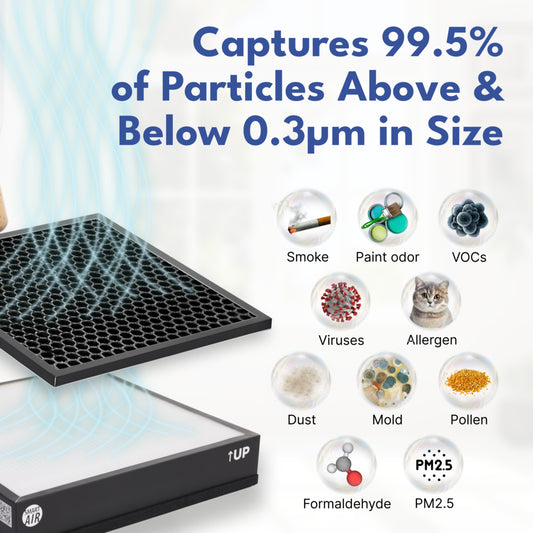
Air purifiers with HEPA filtration can capture dust mite allergen particles that become airborne ? for example when bedding is disturbed. However, because most dust mite allergen is found in mattresses, pillows, and carpets rather than suspended in the air, air purifiers offer limited benefit as a standalone measure. They are most useful as a complementary step alongside encasements and regular hot washing, not as a primary intervention.
What humidity level helps reduce dust mites?
Dust mites absorb moisture from the air rather than drinking water, making indoor humidity the most critical environmental factor in controlling their numbers. Research consistently shows that keeping indoor relative humidity below 50% significantly reduces dust mite survival and reproduction. ASCIA recommends targeting below 50%, particularly in the bedroom. A dehumidifier or hygrometer can help monitor and maintain this level, especially in humid coastal Australian climates.
Dust mite bedding protection ? covers, encasements and sprays
Do dust mite mattress covers actually work?
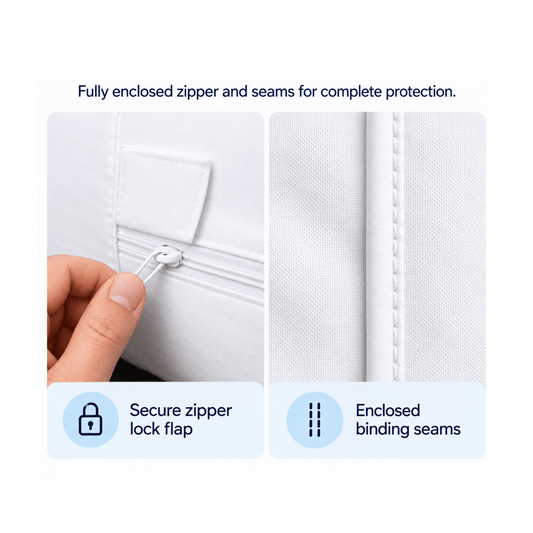
Tightly-woven mattress encasements are among the most consistently evidence-supported physical measures for reducing exposure to dust mite allergens during sleep. They work by blocking allergen particles from passing through to the sleeper. ASCIA recommends them as a primary measure for managing dust mite allergen exposure at home. The key factors are pore size ? covers need a pore size small enough to block allergen particles ? and a fully sealed zip enclosing the entire mattress.
What is the difference between a dust mite encasement and a regular mattress protector?
A regular mattress protector is designed primarily to protect against liquid damage and physical wear. A dust mite encasement is made from fabric with a pore size small enough to block dust mite allergen particles, and fully encases the mattress with a sealed zipper on all sides. The two products serve different purposes. If allergen reduction is the goal, a dust mite encasement is the appropriate choice ? a standard mattress protector does not provide the same allergen barrier.
Is dust mite spray effective?
Allergen-neutralising sprays can help reduce dust mite allergen levels on surfaces where washing or encasing is not practical ? such as sofas, carpets, and soft toys. They work by denaturing allergen proteins rather than killing mites. The evidence for sprays is more limited than for encasements and hot washing. Sprays are best used as a complementary measure rather than a primary one. Always follow product instructions and ensure the area is well ventilated during application.
The information above is for general purposes only and does not constitute medical advice. Our products support allergen reduction in the home environment and are not a substitute for professional medical advice. Always consult a qualified healthcare professional for health concerns. Results may vary.
Dust Mite Allergen Reduction Guides
Practical reading organised by topic, informed by peer-reviewed research

How to reduce dust mites in house - A comprehensive guide
You can’t remove every dust mite from your home, but reducing their numbers may help lower exposure to dust mite allergens. Explore our simple room-by-room guide.
Take a look at our easy guide for each room in your house.